Economic Impact
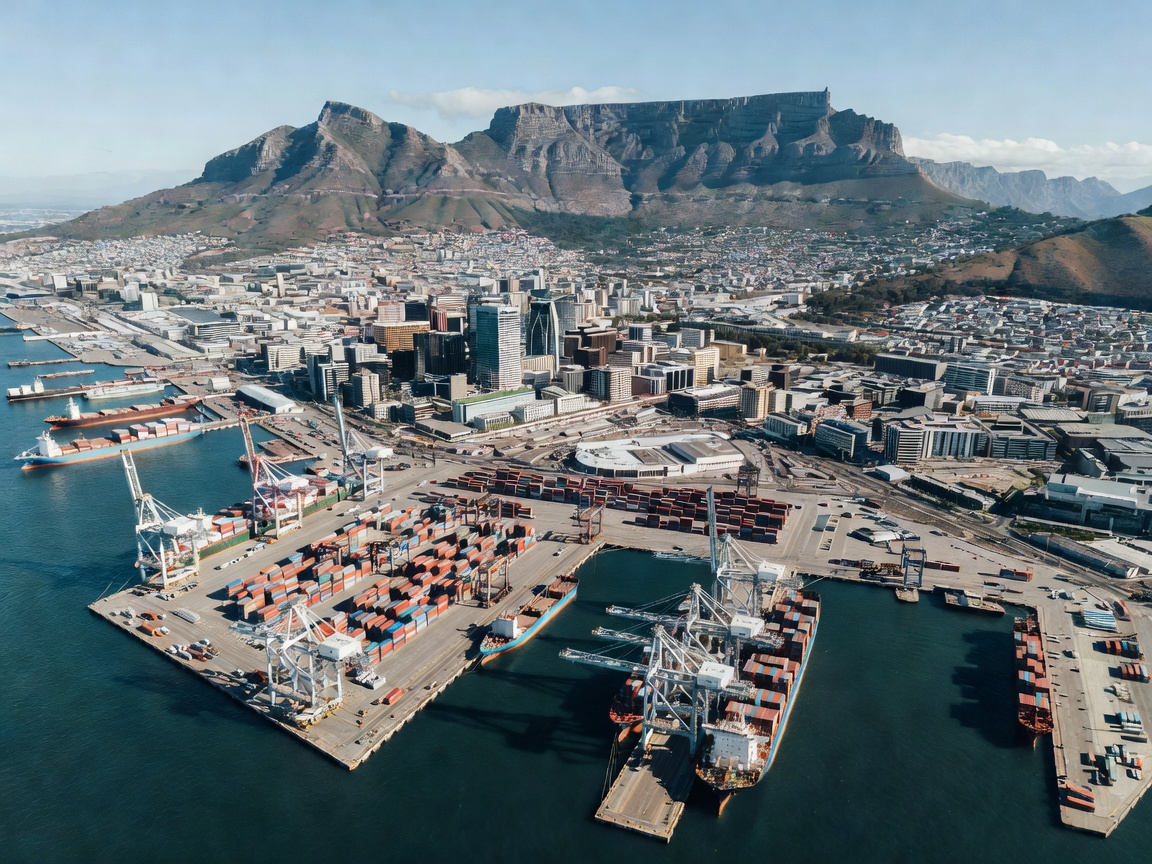
Serving as the primary gateway for the Western Cape, the Port of Cape Town is a formidable engine for regional economic growth, trade facilitation, and employment.
Contribution to Regional GDP
The Port of Cape Town is intrinsically linked to the economic vitality of the Western Cape province. By providing the essential infrastructure required to link local producers with global markets, the port directly underpins billions of Rand in regional Gross Domestic Product (GDP). The operational footprint of the port extends far beyond the quay walls, generating vast revenue streams through harbor dues, cargo handling tariffs, and leasing of industrial real estate within the precinct.
Moreover, the port acts as a catalyst for secondary industries. Manufacturing, packaging, logistics, and marine engineering sectors all base their operations in or around Cape Town precisely to leverage the proximity to international shipping routes. Any fluctuations in port efficiency rapidly ripple through these ancillary sectors, demonstrating the facility's systemic importance.
Agricultural Export Dominance
Economically, the port's defining characteristic is its role in agricultural exports. The Western and Northern Cape regions are prolific producers of high-value agricultural commodities, notably deciduous fruits (apples, pears, plums), citrus, and world-renowned wines. The international sale of these products provides vital foreign exchange earnings for South Africa.
Because these exports are perishable, the port's highly specialized reefer (refrigerated container) infrastructure is not just a logistical asset; it is an economic necessity. The ability of the Port of Cape Town to efficiently process and export these goods during peak harvest seasons dictates the profitability of thousands of commercial farming enterprises and secures South Africa’s market share in highly competitive European and Asian retail markets.
The Employment Multiplier
The job creation footprint of the port is substantial. Direct employment within the port includes stevedores, crane operators, marine pilots, tug crews, administrative staff, and customs officials. However, the true economic impact is seen in the employment multiplier effect.
For every direct job inside the port, numerous indirect jobs are sustained in the broader economy. These include truck drivers hauling containers on the N1, warehouse operatives managing cold storage facilities in the hinterland, freight forwarders handling documentation, and shipwrights conducting maintenance in the dry docks. Furthermore, the agricultural sector, which relies completely on the port to export its produce, is one of the largest employers of seasonal and unskilled labor in the country. The port is thus a critical pillar of social stability and poverty alleviation.
Imports and Consumer Goods
While celebrated for its exports, the Port of Cape Town is also a vital artery for imports. The facility handles large volumes of consumer electronics, textiles, machinery, and refined petroleum products. Efficient processing of these imports ensures that retail shelves remain stocked and manufacturing plants have access to necessary components, keeping the regional economy running smoothly and maintaining consumer price stability.
Regional Competition and Strategic Positioning
In the broader context of southern African maritime trade, the Port of Cape Town competes for market share. While it does not rival the Port of Durban in sheer volume of general cargo, it maintains a strong competitive edge in specialized sectors. Additionally, it faces emerging competition from the deep-water Port of Ngqura in the Eastern Cape, particularly regarding transshipment cargo.
To retain its economic leverage, stakeholders are heavily focused on modernization. Initiatives to digitize customs clearance, upgrade cargo handling equipment, and streamline truck turnaround times are all driven by the economic imperative to remain globally competitive. The Port of Cape Town’s economic legacy is secure, but its future prosperity depends on continuous adaptation to the fast-paced world of global shipping.