Logistics & Multimodal Transport
A port is only as efficient as the landside transport networks that serve it. Explore the complexities of the multimodal supply chains linking Cape Town to its hinterland.
The Dominance of Road Freight
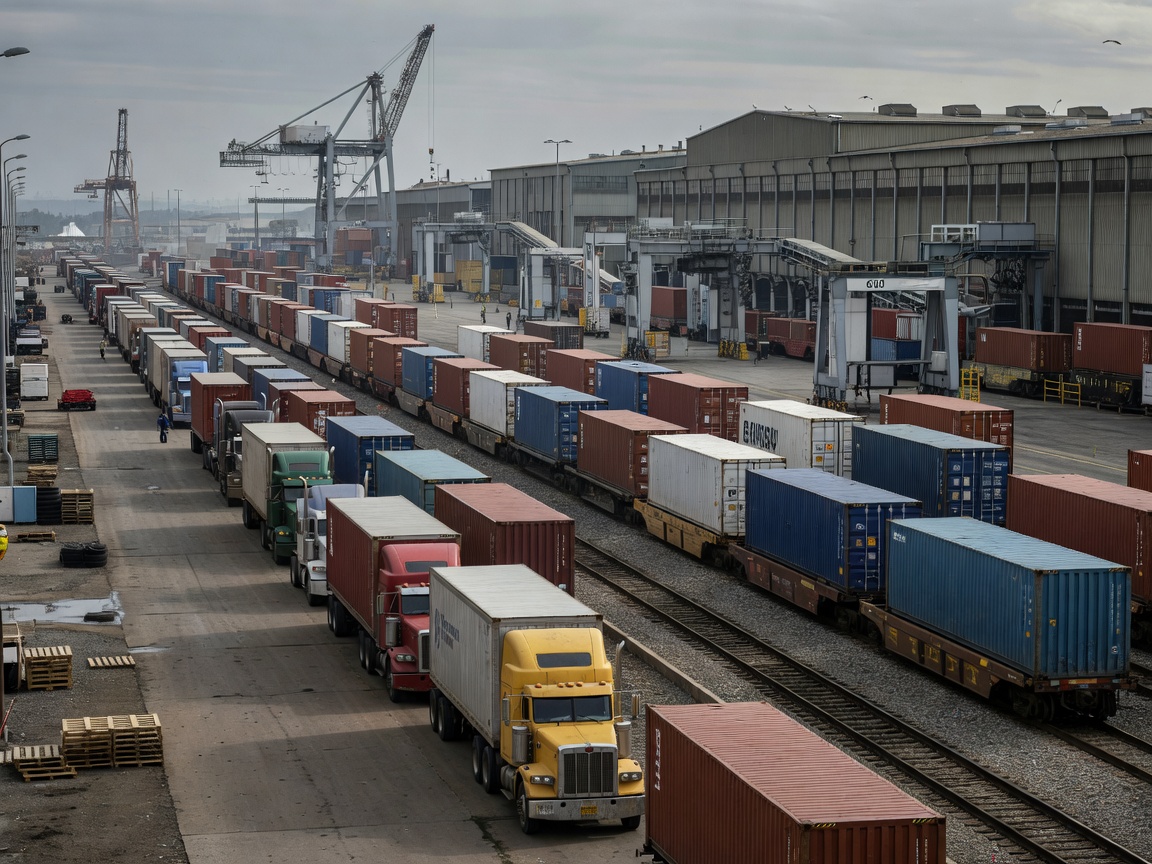
The vast majority of cargo moving in and out of the Port of Cape Town is transported via road freight. A constant stream of articulated trucks and interlink trailers navigates Marine Drive and the N1 highway, carrying everything from shipping containers to break-bulk commodities. The agility of road transport makes it highly suitable for the fragmented, time-sensitive nature of agricultural exports originating from various farms across the Western and Northern Cape.
However, this reliance on road freight presents substantial challenges. Congestion is a chronic issue, particularly during the summer export peaks. Long queues of trucks waiting outside the terminal gates can stretch for kilometers, causing supply chain delays and increasing transport costs. To combat this, port operators implement rigid truck appointment systems, requiring logistics companies to book specific time slots for dropping off or collecting containers, smoothing out the flow of traffic across a 24-hour cycle.
Rail Networks and Transnet Freight Rail
While road dominates, rail remains a critical, albeit underutilized, component of the port's logistics framework. Managed by Transnet Freight Rail (TFR), the railway lines snake directly into the port precincts, connecting alongside ship berths and stacking yards. Rail is ideally suited for moving large volumes of heavy, non-time-critical commodities over long distances, such as timber, steel, and empty containers.
Despite its theoretical advantages, the rail network faces systemic hurdles. Infrastructure aging, cable theft, and locomotive shortages have historically reduced the reliability of rail schedules. Consequently, many cargo owners have shifted their freight to road to guarantee delivery times. Efforts are continually underway to revitalize the rail corridors, aiming to shift cargo from road to rail, thereby reducing highway maintenance costs, lowering carbon emissions, and easing terminal gate congestion.
The Belcon Inland Terminal
To alleviate the spatial constraints within the landlocked port, logistics planners utilize inland terminals, often referred to as "dry ports." The most prominent of these for Cape Town is the Bellville Container Terminal (Belcon), situated roughly 20 kilometers inland.
Belcon serves as a staging area and aggregation point. Rather than thousands of individual trucks driving into the congested port precinct, cargo can be consolidated at Belcon and moved in bulk via shuttle trains or high-capacity road links to the port during off-peak hours. This hub-and-spoke model is vital for buffering the port from extreme traffic spikes and providing much-needed empty container storage space outside the premium real estate of the harbor.
Cold Chain Logistics and Warehousing
Given the port’s heavy emphasis on agricultural exports, a flawless cold chain is paramount. Surrounding the port is an extensive network of privately owned cold storage warehouses. These facilities receive freshly harvested produce, lower it to optimal transit temperatures, and pack it into refrigerated shipping containers (reefers).
The logistics of moving a reefer from a cold store to a vessel requires meticulous coordination. If a container is unplugged from a power source for too long during transport or waiting at the terminal gates, the temperature spike can spoil the entire consignment. Logistics providers utilize GPS and remote temperature monitoring technologies to track the exact status of their cargo, ensuring that the integrity of the cold chain remains unbroken from the packhouse to the ship.
Customs and Border Management
Every container and pallet moving across the quay is subject to strict customs regulations enforced by the South African Revenue Service (SARS). Modern logistics heavily relies on electronic data interchange (EDI) to pre-clear cargo before it even arrives at the terminal. Non-intrusive cargo scanners are used within the port precinct to inspect containers without breaking the seals, ensuring compliance and security while minimizing delays to the transport flow.